My name is Brendan, and I’m an adult with spina bifida living in Minnesota with my wife and daughters. I have the unique privilege of working for 180 Medical. I know firsthand what it can be like for others growing up with spina bifida, and I’d like to share a bit about my own experience.
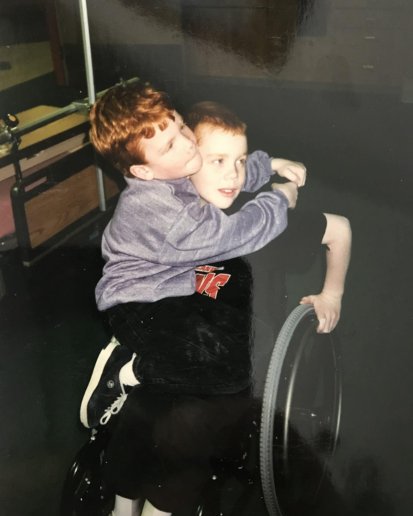
My Childhood with Spina Bifida
I was raised in the ice and snow of Minnesota as the oldest of three children. Early on, my parents made it clear that they would never bubblewrap me or my siblings. In other words, while they cared deeply for us and constantly watched over us, they made sure I would be able to experience all the things that most kids do, even though I was born with spina bifida. Cuts, scrapes, sports, punishment, playing, friendship, heartache, and fun vacations are just a few of the things that come to mind when thinking about my childhood experiences.
I remember my mom always telling us, “One day, we won’t be around to do this for you. That’s why you must learn how to do this yourself.” This usually referred to daily chores, such as doing the dishes, weekly laundry, and cleaning our bedrooms. While some of those duties took longer for me than for my siblings, it was an incredibly valuable lesson.
That time spent learning while I was young undoubtedly made my transition into college and adulthood that much smoother.
Obviously, we all live with our own set of circumstances. However, when I look back, I always appreciate that my parents really did their best to let me just be a kid — not only a kid with a disability.
What Is Growing Up with Spina Bifida Like?
People always ask me what it’s like to grow up with a disability. Two words that I feel best fit are ‘unique’ and ‘challenging.’
Every individual’s experience of growing up with spina bifida is unique to them, just like every case of spina bifida is different and unique. For example, I didn’t need a shunt at birth, while many children born with spina bifida rely on them. A shunt helps drain fluid from the brain and protects it.
On the other hand, while some of my friends with spina bifida walk freely or use crutches, I primarily use a wheelchair. However, that hasn’t stopped me from developing a rewarding career, raising a family, and leading a very active life (including sports, scuba diving, and more).
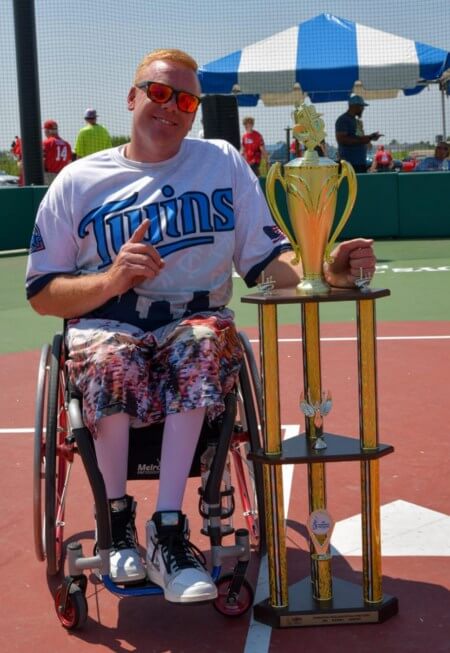
When you live with a disability, your life can be more challenging compared to the people around you. From doctor visits, occasional surgeries, and constant mobility issues, each day presents us with a unique opportunity to learn how to best navigate the world ahead. That navigation almost always requires us to be very creative.
Maybe our lives don’t follow a straightforward path. But just because our life might take a small “detour” doesn’t mean we can’t reach our end goals.
Getting Proactive and Creative
People impacted by spina bifida, whether children, adults, families, or caregivers, face a wide variety of new experiences and challenges. As children with spina bifida, we all yearn for the feeling of “being normal.” However, later in life, we may realize that our unique set of circumstances ultimately helped mold us into better people.
For instance, living with spina bifida has prompted me to become more proactive. Over the years, I’ve worked to find ways to help out the spina bifida community and form new relationships with others. I have worked with young athletes living with spina bifida, spoken to groups, and stayed active with my local chapter of the Spina Bifida Association.
Additionally, our level of creativity regarding the issues we face in daily life can directly impact our level of independence. One aspect of this involves personal care.
As a person with a disability, I have more things to do regularly, such as self-catheterization, a bowel program, checking for skin breakdown, etc. My wife, daughter, parents, siblings, and friends don’t have to think about these things. However, attending to all of these things help ensure I can continue to have a high quality of life.
Is it fair? Certainly not. Is it easy? Sometimes no. Is it necessary? Without question.
If we fail to face these challenges head-on, we sell ourselves short. Being persistent in our day-to-day routine is paramount. Ultimately, the only person who knows if we’re being accountable is ourselves. We always answer to the person looking back at us in the mirror. And the only way to do that positively is to be persistent.
Being persistent takes a lot of energy sometimes. Some days can be tougher than others. However, we always have an option to find a creative solution, and tomorrow is always a new day.
A Day in My Life as an Adult
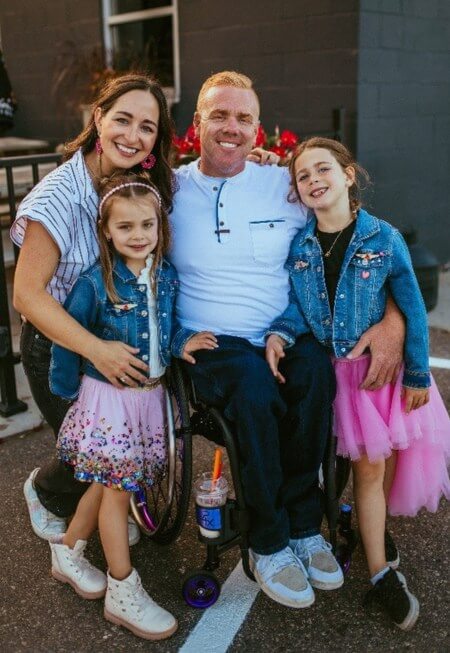
An average day in my life today as an adult is a steady mix of family and purpose. My mornings usually start early with my two girls (four and six years old as of 2025). I help them get redy for school, share breakfast, and soak up all those little moments before the day kicks into gear.
Once they’re off, I shift into work mode. I serve as a Territory Sales Manager for 180 Medical, traveling to communities across Minnesota, North Dakota, and Iowa to support our customers and healthcare partners while sharing about the catheter products that can truly make a difference in people’s lives.
My days are often filled with calls, in-person visits, and putting in miles on the road, but coming home in the evening to my wife and daughters grounds everything. Between dinner, homework help, and bedtime stories, I’m reminded that both at work and at home, I’m getting to do what matters most — taking care of people.
I believe that growing up with spina bifida helped me learn to make each day count, whether it was learning how to do something for the first time or discovering a more effective way to complete a routine task. We can always find new ways to face our daily challenges. Doing this for yourself might make it easier for the next person going through the same situation.
Giving Back to the Spina Bifida Association
The Spina Bifida Association’s Day of Giving, an annual fundraising event held on Giving Tuesday, serves as a poignant reminder of the power of collective generosity. Supporting organizations like the Spina Bifida Association goes far beyond the act of giving a simple donation. This organization has had a significant impact on my life over the past year, and I know firsthand how it can provide vital resources, education, community, and advocacy for individuals and families affected by spina bifida.
Every contribution helps fund programs that promote independence, improve quality of life, and drive awareness for a community that deserves continued support and visibility.
Giving on this day is an opportunity to raise awareness, make a lasting impact, and stand alongside the wonderful people at the Spina Bifida Association, who work tirelessly every day to create a brighter, more inclusive future. I hope you will consider making that impact at the Spina Bifida Association donation page today.
Additional Product and Peer Support at 180 Medical
If you need help finding the right catheters or ostomy products, 180 Medical specialists are here for you. We offer free samples, free shipping, and many more benefits. Most of all, I love that our company is all about compassion. We’re here to listen and provide support as we find product solutions tailored to your unique needs, ultimately enhancing your quality of life.
Additionally, if you have specific questions or require further assistance with living with spina bifida, please don’t hesitate to contact us through our website’s contact options. Simply ask to be connected to me, and I’ll be happy to help in any way I can.

Updated November 26, 2025
