
What you eat and drink (your diet) can affect more than your energy levels and digestion. Certain foods and drinks may support bladder health, while others may sometimes contribute to urinary symptoms like urgency, frequency, or general bladder irritation.
Everyone’s body is different, so there is no single bladder-friendly diet that works for everyone. But a few simple habits like these quick diet tips may support a healthy bladder.
5 Diet Tips for a Healthy Bladder
While the best source of guidance on what’s right for you and your body is your healthcare provider, here are a few quick tips that may help improve bladder health.
1. Add more fruits and vegetables to your diet.
Fruits and vegetables can provide fiber, vitamins, minerals, and other key nutrients that support your overall health.
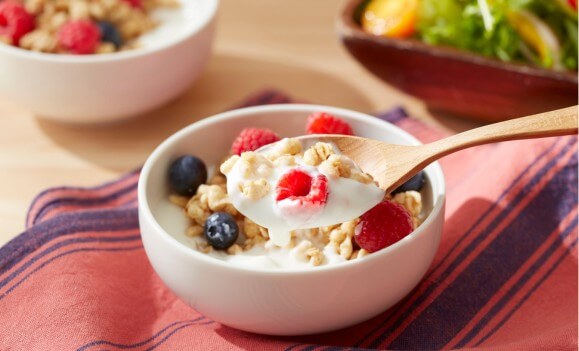
If acidic foods seem to bother your bladder or cause irritation, you might try lower-acid fruits, such as pears, watermelon, blueberries, or bananas.
Fresh fruits and vegetables aren’t your only options, either. Frozen and canned fruits and veggies can be an easier way to incorporate produce into your daily meals.
Just be sure to check the label for added sodium or sugar, based on your individual dietary needs.
What About Cranberries & Cranberry Supplements?
Some research suggests that cranberries, cranberry juice, or cranberry supplements may help reduce the risk of recurring UTIs for some people. However, they don’t treat an active UTI, and the evidence doesn’t show the same benefit for everyone, including some people who have trouble completely emptying their bladder.
Talk with your healthcare provider and get their advice before adding cranberries or cranberry supplements to your diet.
2. Drink enough water to stay hydrated.
Water is also an important part of a healthy diet. Drinking enough fluid helps your body produce urine and remove waste.
There’s no single amount of water that’s right for everyone. Your needs may change or vary based on how active you are, your environment, the weather, medications you take, and other factors.
Talk to your healthcare provider about how much water to drink based on your body and individual needs. This is especially important if you’ve been instructed to limit fluids because of a medical condition.
3. Get enough daily fiber.
Foods high in fiber may not directly affect your bladder health, but they may help prevent constipation, among other benefits of a healthy fiber intake.
When you’re constipated, your intestines can put more pressure against the bladder, which can cause sensations of being overly full and needing to urinate more often.
Try some fiber-rich foods like leafy greens, beans and lentils, fruits, vegetables, and even whole grains like pasta, bread, oats, rice, and cereals (depending on your dietary allergies and needs). This may also help improve your digestive health.
Constipation may have an impact on urinary tract health and bladder control problems, so supporting your bowel health is an important part of caring for your bladder. Talk to your healthcare provider about how much fiber to add to your diet and if they may recommend increasing your intake.
4. Be aware of possible bladder irritants in your diet.
Just as it’s important to eat the right things, it’s just as important to avoid eating certain things that can potentially irritate your bladder or even act as a diuretic, which flushes water from your system and can dehydrate you.
Common possible bladder irritants may include:
- Caffeinated coffee, tea, soda, and energy drinks
- Alcohol
- Carbonated drinks
- Citrus fruits and juices
- Tomatoes or tomato-based foods
- Spicy foods
- Chocolate
- Artificial sweeteners
- Other highly acidic foods or drinks
These foods don’t affect everyone in the same way. If caffeine seems to worsen your urinary symptoms, try reducing it gradually or choosing a caffeine-free alternative.
5. Get the right amount of protein in your diet.
Protein is an essential element in maintaining your muscles and hormone regulation, and this applies to your pelvic and bladder muscles, too. Eating a diet with enough protein for your individual needs helps your body’s muscles and organs maintain themselves.
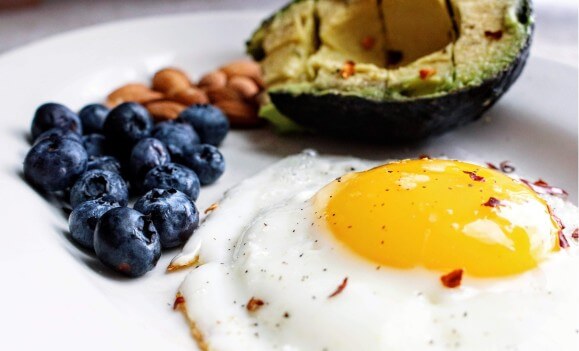
Some high-protein foods include legumes, lean meats, peanut butter, and fish.
Common Questions About Diet and Bladder Health
Here are a few quick answers to FAQs about how diet may impact your bladder health.
What foods or drinks can irritate the bladder?
Common bladder irritants may include caffeine, alcohol, carbonated drinks, acidic foods, spicy foods, and artificial sweeteners.
Food sensitivities differ for everyone, though, so it’s important to track what you eat, how it affects your urinary symptoms, and then talk with your healthcare provider for their advice on what’s right for you.
What foods may be easier on the bladder?
There’s no single list of bladder-friendly foods that will work for everyone. However, some people may find lower-acid fruits, vegetables, whole grains, and minimally processed foods less irritating.
Some people find it helpful to track any foods or drinks that seem to affect their symptoms.
Can drinking more water help bladder health?
Drinking the right amount of water for your needs may support urinary health by keeping your body hydrated and flushing waste.
However, fluid needs vary from person to person, especially if you have a medical condition. Talk with your healthcare provider about what they recommend for you.
Can cranberry juice treat a UTI?
Cranberry juice does not treat active urinary tract infections. Some evidence suggests cranberries may help reduce UTIs in certain people.
Contact your healthcare provider if you think you have a UTI.
When should I talk to my doctor or urologist about bladder symptoms?
Talk to your healthcare provider if you experience any unusual symptoms. Whether that’s leakage (incontinence), pain or discomfort when urinating, or trouble fully emptying your bladder, it’s important to discuss any issues with your provider so they can help determine the cause and recommend treatment or management options.
Can diet alone fix my bladder problems?
While dietary changes may help with issues like bladder irritation, they are not a substitute for proper medical advice, diagnosis, or treatment. If you’re having bladder problems or unusual urinary symptoms, please talk with your healthcare provider.
When Bladder Problems Affect Emptying
A healthy diet and proper hydration may help support bladder health or reduce irritation, but they can’t correct every urinary problem.
Sometimes, a healthcare provider may recommend intermittent catheters as part of a management plan for conditions such as incomplete bladder emptying or urinary retention.
If you’ve been prescribed intermittent catheters as part of your treatment, 180 Medical is a trusted supplier. We can help you understand your supply options, verify your insurance coverage, and get started with convenient, discreet home delivery.
Just contact us online or give us a call at 1-877-688-2729 to talk to one of our friendly experts. We’re ready to provide the supplies you need.
Disclaimer: Content provided on 180medical.com is for general educational purposes only and should not be used as a substitute for medical advice, diagnosis, or treatment from a qualified healthcare professional. Product and sample availability may vary based on your insurance plan, prescription, and other requirements. Please consult your healthcare provider with any questions about your condition, treatment, or medical supply needs.
