When living with a spinal cord injury (SCI), you encounter a lot of new challenges. I found out that one of those challenges for me would be battling frequent urinary tract infections (UTIs), which are common for some people with an SCI. I’ve discovered a few tips and tricks throughout the last few years that have helped me, and I’m sharing them with you in hopes that they might help.
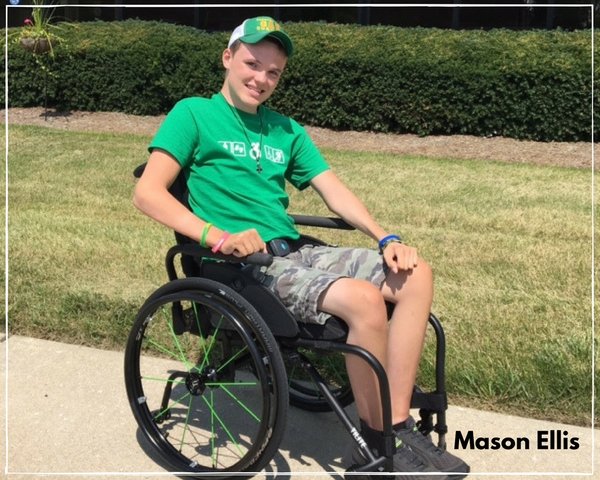
What I Do to Help Prevent UTIs with a Spinal Cord Injury
1. I take several supplements.
D-mannose is a supplement that may help prevent and treat UTIs. It’s commonly found in apples, berries, and other fruits. I also take cranberry pills. A specific compound in cranberries may help prevent bacteria from attaching to the walls of your bladder and urethra.
As with any medication or supplement, taking these supplements may have risks. This is just what I do for myself, and what works for me may not work for someone else.
Talk to your healthcare provider about their recommendations for any supplements that may help prevent UTIs.
2. I like to stay well-hydrated.
I try to stay away from beverages with a lot of sugar and caffeine because caffeine may be a bladder irritant, and bacteria may use sugar to grow and thrive.
I personally lean toward drinking water or natural fruit juices with no added sugar, especially when I’m dealing with a UTI.
Talk to your healthcare provider about their recommendations for your fluid intake, especially if you’re on any kind of prescribed fluid restriction.
3. I always practice proper hygiene.
When it comes to using intermittent catheters, I practice sterile use (using a catheter one time and then disposing of it). Reusing intermittent catheters has been linked to an increased risk of UTIs.
I also try to keep things clean every time I self-cath to reduce the risk of contamination by:
- Washing my hands before handling my supplies
- Wearing gloves
- Cleaning the urethral area before inserting my catheter with BZK wipes
4. I use a no-touch closed system catheter.
Keep in mind that what works for me may not work well for someone else. However, after I tried several different catheter samples at 180 Medical, I decided that the EZ-Gripper™ Closed System Catheter Kit was right for me.
It’s a closed system catheter that facilitates no-touch catheterization and includes a pre-lubricated catheter, gloves, a drape, an antiseptic wipe, and a trash bag. I personally like that it has thumb holes to help people with limited hand dexterity hold the collection bag more easily. Plus, it includes an EZ-Advancer® feature that grips the catheter tube for you and keeps it from retracting as you insert it.
If you’re not sure whether your insurance covers closed-system catheters, I found that 180 Medical could quickly verify my insurance, and then their specialists let me know what it covered.
Also, in 2026, Medicare updated its guidelines to include coverage for closed system catheters for people with documented spinal cord injuries. Talk to your healthcare provider about what may be right for you.
5. I call my doctor at the first sign of a UTI.
I take my spinal cord injury and my health seriously. I don’t like to leave it alone or just hope for the best when I notice those first signs of a UTI, so I make sure to call my doctor’s office and let them know what’s going on or schedule an appointment ASAP.
Any time you have signs of an infection, or if something else seems wrong, it’s important to talk to your healthcare provider. They’re the only ones who can diagnose what’s going on and recommend the appropriate treatment.
Final Notes on Preventing UTIs with a Spinal Cord Injury
If you’re living with a spinal cord injury and you’re dealing with UTIs, I want you to know you’re not alone. A lot of people with SCI go through frequent urinary tract infections.
Even 180 Medical’s founder, Todd Brown, dealt with recurrent infections that really dragged down his health until he began practicing sterile use.
Talk to your healthcare provider or urologist about the best ways to prevent and treat UTIs with a spinal cord injury.
Disclaimer: This article is for informational purposes only and is not intended as medical advice. Information provided on 180medical.com should not be used as a substitute for medical advice, diagnosis, or treatment from a qualified healthcare professional. Please consult your healthcare provider with any questions about your condition, treatment, or medical supply needs.
