
Carrying your catheter supplies away from home may take some planning, but it doesn’t necessarily have to mean bringing a large, obvious bag everywhere you go. Depending on the catheter you use, you may be able to keep everything you need in your pocket, an ordinary briefcase, purse, or a discreet travel pouch. The right way to carry your catheters discreetly is the one that works best for you and your routine, protects your supplies, and keeps them easy to access when you need them.
Top 10 Ways to Carry Catheters Discreetly
Whether you’re going to school or work, traveling, heading out to a social event, or just planning an afternoon away from home, this quick guide shares some of the best ways to carry catheters discreetly. Some of these ideas come directly from real catheter users in the 180 Medical community who have shared their tips with us over the years.
Quick tip before you pack: Keep your unused catheters sealed in their original packaging until you’re ready to use them. Avoid tightly bending the catheter in a way that may damage the tube. Always follow the storage and usage directions provided with your catheter supplies.
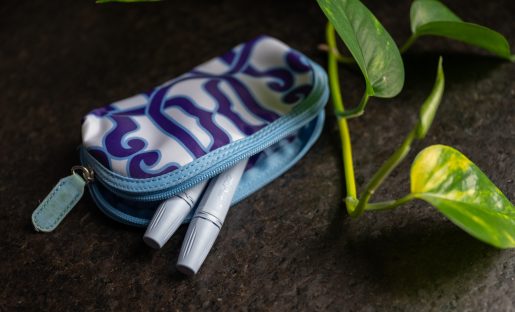
1. Use a Small Travel Bag, Makeup Bag, or Toiletry Pouch.
A plain zippered pouch is one of the easiest ways to keep your catheter supplies together without carrying something that looks a bit out of place or obvious.
Depending on the size you choose, a zippered pouch may be able to hold your catheters, lubricant packets, wipes, disposal bags, and other supplies you need to use throughout the day while away from home. You can carry it on its own or move it between a purse, backpack, work tote, or suitcase, too.
When choosing a pouch, there are a variety of designs and options to pick from, so you can choose one that fits your style or blends in with your other belongings. You might also look for features like:
- A wipe-clean or water-resistant lining
- A zipper or closure that’s easy for you to open but stays secure
- Enough length and space for your catheter packaging
- Separate areas for clean supplies and used supplies in disposal bags (if you prefer to wait to throw your used catheters away until later)
Whether you’re shopping online or in stores, as you look for the right option, consider a toiletry bag, travel pouch, makeup bag, grooming case, or small travel organizer.
2. Choose a Discreet Pocket Catheter
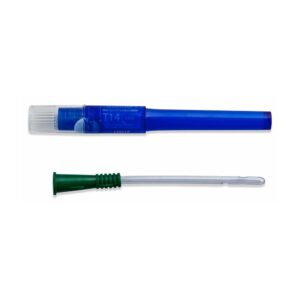
Sometimes, the easiest way to carry a catheter discreetly is to start with a product specifically designed for privacy and portability.
Pocket catheters and compact catheters come in smaller packaging that fits more easily into a pocket, pouch, purse, backpack, or travel bag. Depending on the product, the catheter may be curved inside the packaging, coiled in a palm-sized dispenser, or feature a telescoping design.
There are all kinds of new catheter innovations, and as one of the leading catheter suppliers in America, 180 Medical carries a wide variety of options for our customers to choose from.
Pocket catheter options are available in all lengths, depending on the brand, and in a range of different catheter types, including:
- Uncoated catheters
- Pre-lubricated catheters
- Hydrophilic catheters
- Closed system catheters
- Straight and coudé tip options

3. Carry Catheters in Your Pocket or Clothing
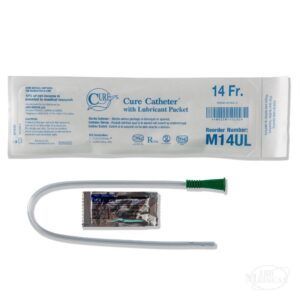
The quickest and easiest way to hide your catheter is by using your pockets or concealing it in your clothing.
A sealed catheter package, depending on the product, may fit into a:
- Jacket, coat, or hoodie pocket
- Scrubs pocket
- Adaptive clothing pocket
- Jeans or pants pocket
- A long sleeve
- A zippered money belt
Just make sure your catheter package can fit safely without being crushed, tightly bent, or exposed to moisture or heat. A deep pocket or a zippered pocket can help keep your catheter from slipping out.
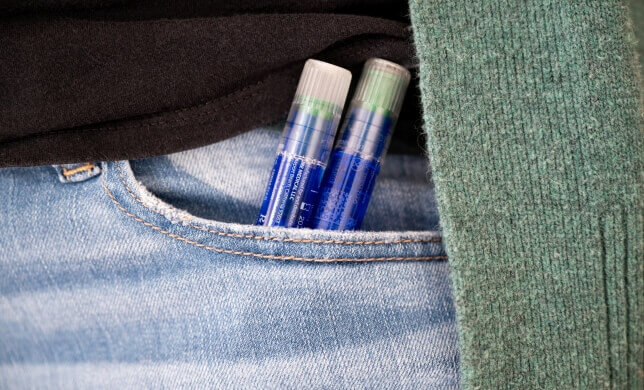
Over the years, our customers have shared some creative clothing-based solutions with us. One 180 Medical customer shared that he likes to put his catheter lubricant packets in his pocket, and then slide his male length catheters up his shirt sleeve underneath his work jacket, which is concealed during the workday without having to carry an extra bag or briefcase around the office.
Another customer in the 180 Medical Community shared that when she wears tall riding boots at work, she slides her catheter package down the side of her boot from her purse when she’s ready to cath. Then she walks from her desk in the office to the bathroom with no one noticing, and she doesn’t have to carry a bag or purse with her each time.
While these ideas may not work for everyone, it’s a good reminder that the most useful solution is whatever fits naturally into your routine and keeps your products safe and secure.
4. Repurpose an Extra Eyeglasses Case
An eyeglasses case can be a compact, discreet way to carry your catheters, and a hard-shell case may even provide a little extra protection to prevent your catheters from being crushed inside a larger bag.
Some cases even come with a strap or loop for hands-free carrying.
Before using an eyeglass case, check that your catheter fits comfortably without causing kinks or crushing. You may even have room to add a few individual sterile lubricant packets, if needed.
You may only be able to safely fit one or two products in a case this small, so this is more of a solution for a few hours away from home (depending on your daily catheterization schedule).
Because an eyeglasses case looks like any other ordinary personal item, it can be great to take along with you to appointments or social events.
5. Use a Pencil Case or School Supplies Pouch
If you or your child is going to school with their catheter supplies, a pencil case or school supply pouch may be an inexpensive, widely available way to carry catheters discreetly.
These cases come in many lengths, materials, designs, and styles. Depending on the size you choose, you may be able to hold standard intermittent catheters, travel catheters, lubricant, or even certain compact closed system packages.
For younger students, parents and caregivers may want to coordinate with a school nurse, teacher, teacher’s aide, or another trusted staff member about where your child’s backup catheter supplies can be privately stored during the school day.
6. Wear a Waist Pack
If you’re heading out for the day, wearing a belt bag or waist pack can be a convenient, hands-free way to carry your catheters.
Unlike the old fanny packs of decades past, modern waist packs and belt bags come in all kinds of streamlined, modern styles. Even some popular outdoor and hiking stores sell them. Many come with separate pockets for your phone, wallet, keys, and personal supplies.
Whether you’re out sightseeing, attending an event, shopping, or just out for an afternoon when carrying a larger bag would be inconvenient, a waist pack can be a good option without drawing attention to what you’re carrying inside. Just choose a bag with enough room to protect your catheters.
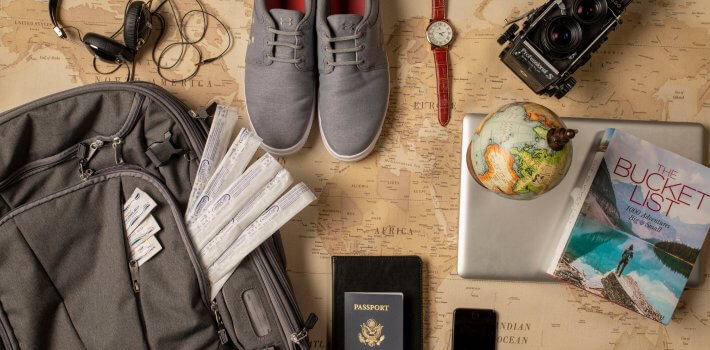
7. Keep Supplies in a Purse, Crossbody Bag, or Backpack
An everyday bag is one of the most flexible, discreet carrying options for catheter supplies.
Whether you choose a hands-free crossbody bag, a shoulder bag, a backpack, or even a laptop bag or briefcase, you may be able to hold enough catheter supplies for your day away from home. Keeping supplies inside a separate inner pouch or pocket can prevent them from getting crushed or mixed with other items in your bag.
Backpacks can be great for students of any age because most styles have several interior and exterior zippered sections. You can even attach a small lock when privacy is a concern.
When you’re headed to work, you may be able to keep a portable catheter kit in your daily bag and a second backup supply in your private desk drawer or work locker.
8. Use a Wheelchair Backpack or a Service Animal’s Pack
If you use a wheelchair or another mobility device, an attached backpack or pouch can keep your catheter supplies accessible without needing to carry anything extra.
Just position the bag where it’s easy to reach but stays protected from any moving parts, like the wheels, and doesn’t drag on the ground.
One customer with mobility challenges shared with us that they like to store extra catheters inside a protected pouch in their service dog’s backpack, too. It’s an easy way to keep their supplies concealed without having to carry a bag all day.
9. Dexterity Challenges? Use an Easy-Open Drawstring Bag or Adaptive Bag
A carrying option is only useful when you can access, open, and close it easily. If you have limited hand strength, fine-motor control, or dexterity, you may prefer an adaptive carrying option with:
- A drawstring loop closure
- Large zipper pulls
- Magnetic closure
- Easy-grip tabs
- A one-handed design
Children receive a drawstring bag for free by joining the 180 Medical Kids Club. You can drape it from the back of a wheelchair, leave it under a desk, or set it in your lap until it’s time to catheterize. The 180 Medical Kids Club also provides helpful resources for learning to use catheters, fun activities, and extra support for parents and caregivers.

10. Keep a Backup Kit in a Trusted Location
Depending on where you’re going away from home, you don’t necessarily need to carry your entire supply with you everywhere.
A small backup supply of catheters might be kept in a private, dependable place, such as:
- An office desk drawer
- School nurse’s office
- A locker
- A trusted family member’s home if you visit regularly
Keeping a backup around can be helpful for a lot of reasons, including the days when you may need to use more than you expected after drinking more fluids, when plans change, or a product gets damaged. Just make sure to check expiration dates before using your supplies if they’ve been stored in the same place for a while.
Quick Tips to Keep Your Supplies Protected Away From Home
Whatever method you choose to carry your catheters discreetly, protecting your supplies is still important.
Keep these general tips in mind:
- Avoid storing your catheters in a car or vehicle because the interior can become extremely hot or cold quickly, which may damage your supplies
- Follow the storage instructions on your catheter box or package
- Leave your unused catheters sealed until you’re ready to use them
- Don’t use a product that appears damaged, wet, punctured, or opened
- Unless otherwise indicated by the manufacturer, avoid tightly folding, bending, or crushing your catheters when storing them
- Don’t pack loose catheter packages beside sharp objects in your bag, such as keys or pens
What Should You Pack in a Catheter Bag?
The supplies you take with you depend on your individual needs, your healthcare provider’s instructions, and the supplies you typically use when you self-cath.
Some people may only need to take along a few ready-to-use pocket catheters to get them through an afternoon or evening away from home.
Others may need to consider additional supplies or carrying more, depending on what supplies they use and how often they’re prescribed to catheterize during the day.
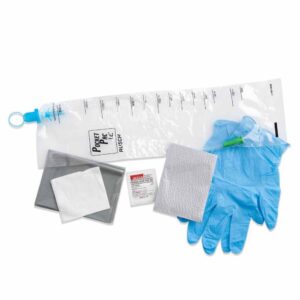
A portable catheter kit might include:
- Enough catheters for the time you expect to be away from home
- Backup catheters in case of emergency or delays
- Lubricant packets (if you use uncoated catheters
- Hand-cleaning supplies such as hand sanitizer gel or wipes
- Gloves
- Antiseptic wipes or swabs
- Opaque bags for disposal of used supplies
- Small mirror to see the area of insertion, if needed
- A change of underwear or clothing
- Relevant medical or emergency contact information for longer outings or traveling
If you’re planning a trip, flying on a plane, or taking a vacation, 180 Medical has a complete guide to traveling with catheters, which includes real tips from catheter users who regularly travel.
Common Questions About Keeping Catheters Discreet
Can I carry a catheter in my pocket?
Yes, depending on the product size, you may be able to carry your catheter in a pocket, as long as the sealed catheter package fits safely without being bent or damaged.
180 Medical carries pocket catheters and compact catheters designed to be easier to carry and travel with. However, some standard catheter packages may be able to fit in a pocket.
Can I bend or fold my catheter to make it fit in a bag?
It depends on the product. Some catheters, such as the LoFric® Origo™ Hydrophilic Catheter or the Cure Ultra® Pre-lubricated Catheter, are designed to easily fold without causing damage or kinking the tube.
However, other products may have firmer catheter materials that can kink or get damaged if you try to bend them with too much pressure.
If you have questions about products, our Catheter Specialists can help you explore and understand your insurance-covered options. Plus, we can look into more discreetly-sized catheters that may fit your prescription and insurance requirements.
Are pocket catheters shorter than regular catheters?
Depending on the brand or product, some compact catheters may be slightly shorter but will still be long enough to reach the bladder.
The term “pocket catheter” refers to the product’s packaging rather than the catheter’s functional length.
Once opened, a pocket catheter will be the length needed for catheterization.
How many extra catheters should I carry when I leave home?
Consider bringing more than you expect to use, just in case.
However, the exact number depends on your prescription for how often to catheterize and how long you will be away from home.
Can I leave my catheters in my car?
It’s generally recommended not to leave medical supplies like catheters in a car for long. The inside of a car can get very hot or cold.
Follow the storage instructions provided by the catheter manufacturer. Most recommend storing supplies in a dry, room-temperature place and keeping them out of water and extreme temperatures to avoid damage.
How can I dispose of a catheter discreetly in a public restroom?
When you’re cathing in a public restroom, put your used catheter and any other used supplies in an opaque disposal bag.
Some people use just a standard brown paper bag, which works fine. Then once it’s sealed or rolled up, put it in the trash.
Don’t flush catheters or used supplies down the toilet.
Some catheter products, such as the GentleCath Air™ for Men and the GentleCath Air™ for Women, feature a discreet, resealable package for stress-free disposal.
Find a Discreet Catheter That Fits Your Life
The catheter that works well at home may not always be the right one for carrying to work, school, appointments, or travel.
180 Medical offers a wide selection of discreet catheters from leading manufacturers. Our Catheter Specialists can help you explore eligible products based on your prescription, insurance coverage, preferences, and needs.
Reach out to us today to get started!
