
Wondering where to buy female catheters? Maybe you’ve just been told you need to start cathing, and you’re not sure what brand or type of female intermittent catheter is right for you.
Whether you’re using female length catheters as part of your doctor’s prescribed treatment plan for urinary retention, urinary incontinence, neurogenic bladder, or another medical condition such as Multiple Sclerosis, you have plenty of female catheter options for self-cathing comfortably and efficiently.
Start here with our helpful guide about the three main types of female intermittent catheters for women.
What are the Different Types of Female Catheters?
Our helpful guide to female catheters covers all types of intermittent catheter products for women, from standard straight catheters with lubricant to pocket catheters. Plus, we go over products made with the latest technology that are designed to help reduce the risk of UTIs from hand contamination.
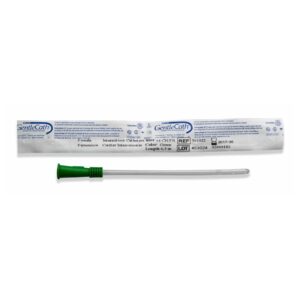
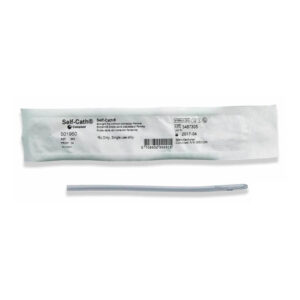
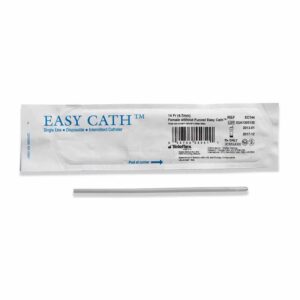
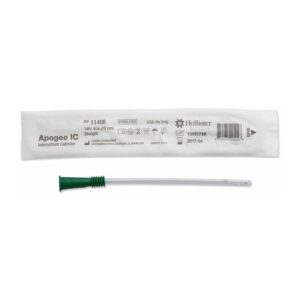
Straight Uncoated Female Intermittent Catheters
Straight catheters are considered the original technology. They’re sometimes called uncoated catheters because they require catheter lubricant before use.
Most people prefer using easy-open individual packets of sterile lubricating jelly. 180 Medical also offers tubes of catheter lubricant if that’s preferred and covered by your insurance plan.
Because female length straight catheters are typically around 6 inches, many options can be easily concealed in your pocket, backpack, or purse.
Features of Straight Female Catheters
- Simple, easy-to-use option
- Cost-effective and widely covered by many insurance plans
- Several luer-end female catheter options (without a funnel or connector) are available, depending on the needed size
- Available in a range of French sizes and brands
Hydrophilic and Ready-to-Use Compact Female Catheters
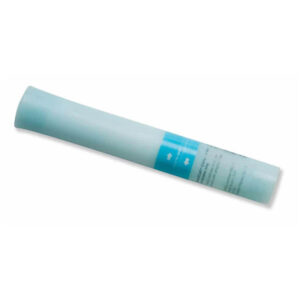
Female hydrophilic catheters have a special coating that, when activated by water, acts like a catheter lubricant. However, the coating is directly bonded to the catheter tube, so once it’s activated, it stays slippery and smooth from insertion to withdrawal. No need to carry additional lubricating jelly.
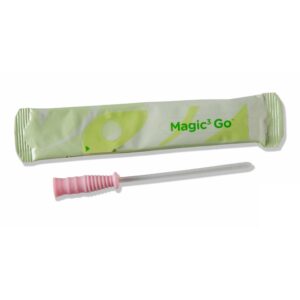
Depending on the brand, some hydrophilic catheters come with their own sterile water packet. Just burst the packet, let the catheter soak inside the package according to the directions, then it’s ready to use.
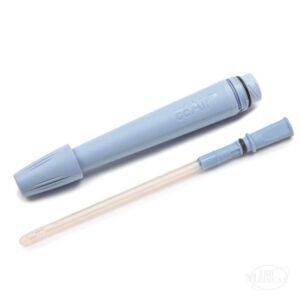
Some hydrophilic catheters for women are ready to use as soon as you open them, such as the popular GentleCath Air™ for Women. It’s a ready-to-use pocket catheter that comes in a compact, discreet, recyclable case.
Features of Hydrophilic Female Catheters
- Options with a sleeve or gripper may help reduce the risk of contamination from hands
- May help reduce friction and ease discomfort during catheterization
- Activates with water to become super slippery
- Some options come ready to use without the need for activation, depending on the brand and size needed
- Many options in compact packaging for discretion and privacy
Pre-lubricated Female Catheters
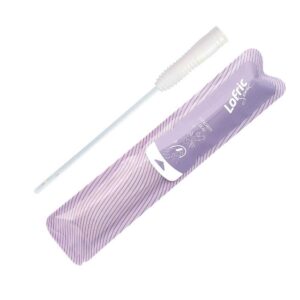
Pre-lubricated female-length catheter options come ready to use, with lubricant already applied. If you prefer not to apply lubricant yourself, there are some high-quality products with a pre-lubricated coating that may suit you.
It can make catheterization a little easier and more convenient for some, since you don’t have to carry additional lubricant with you or activate a coating.
Features of Pre-lubricated Catheters
- Ready to use as soon as you open the package
- No need to carry or apply extra lubricant
- Convenient for women who travel regularly or catheterize away from home at work or school
- Some may include an insertion aid for no-touch catheterization, which may help reduce the risk of hand contamination
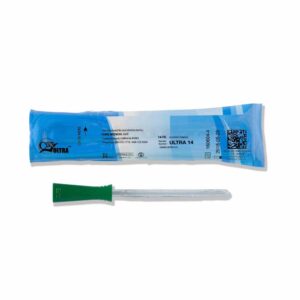
One popular option is the Cure Ultra® catheter, which features smooth, fire-polished eyelets and a unique ‘No Roll’ funnel for better control during catheterization. With a CoverAll™ application, the lubricant is evenly distributed along the catheter tube as you remove it from the package.
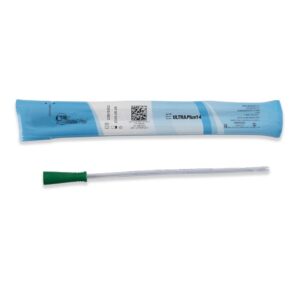
And if you prefer a slightly longer female catheter than the average six inches, Cure Ultra® Plus™ offers the same great features with 2 extra inches of length (8 inches total) for easier handling.
Female Closed System Catheter Kits
While most closed system catheter options are available in male or universal/unisex lengths, which may be preferable for some female users, there are also several female-length closed system catheter options.
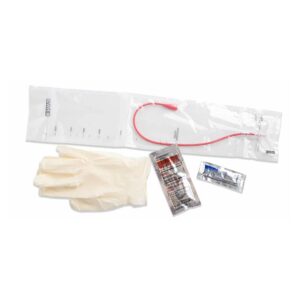
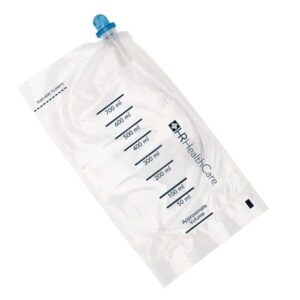
Some women prefer closed system catheters because they include an attached or integrated collection bag. Closed systems with bags can be helpful for people in wheelchairs, so you don’t have to transfer from your chair to the toilet each time you cath.
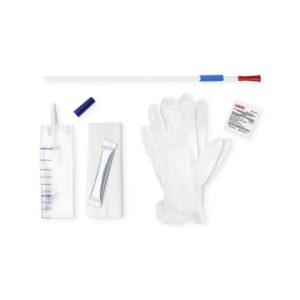
Many brands also include a kit of insertion supplies, such as gloves and antiseptic wipes, in their closed system catheter kits.
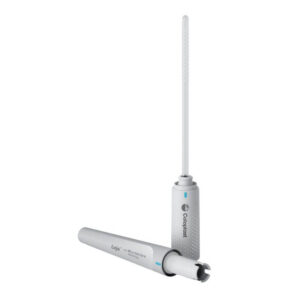
Most female length closed systems, like the EZ-Advancer® Female Closed System Intermittent Catheter, also include a pre-lubricated introducer tip, designed to bypass the highest concentrations of bacteria in the first few millimeters of your urethra. This feature may help reduce the risk of urinary tract infections (UTIs).
Features of Female-Length Closed System Catheters
- Integrated or attachable collection bag for convenience
- Great no-touch catheter option
- Designed with convenience and sterility in mind
- May suit some people in wheelchairs, since some can self-cath without transferring from their chair
Advanced catheters, like closed system catheters or catheter kits, may not be covered by all insurance plans.
If you’re not sure what products are covered by your health insurance, 180 Medical’s specialists can verify your coverage and help you understand what you’re eligible for based on your needs, benefits, and prescriptions.
Get started by checking your catheter coverage with us online using a quick, secure form. Then we’ll reach out to you and go over your options together.
Answering Common Questions About Female Catheters
What are female intermittent catheters?
Intermittent female catheters are small sterile tubes that are used to drain urine from the bladder. Unlike placing an indwelling Foley catheter, intermittent female catheterization is a procedure you can do yourself (or with the help of a trusted loved one or caregiver). Plus, with intermittent catheters, you don’t have to stay attached to a leg bag or drain bag, giving you freedom and confidence to go about your normal day.
Self-catheterization can be done anywhere you have privacy, whether you’re at home or out at a public restroom. Just insert the catheter, drain your bladder, and then toss it away when you’re done.
How long is a female length catheter?
Because the female urethra is typically only a few inches long, female-length catheters are around 6 inches on average.
Shorter pocket catheters for women are available, such as the ready-to-use SpeediCath® Compact for Women, which is discreet at 2.75 inches.
There are a few other options that are 6 to 8 inches as well. If you prefer a longer intermittent catheter, you may be able to use a male-length catheter, depending on your healthcare professional’s guidance. Male length catheters are typically around 16 inches, but some women prefer them for easier handling.
If you’re not sure what length suits you, reach out to 180 Medical’s friendly specialists to request free samples. Our goal is to help you find the catheter that works best and feels most comfortable for your needs, based on your prescription and insurance coverage.
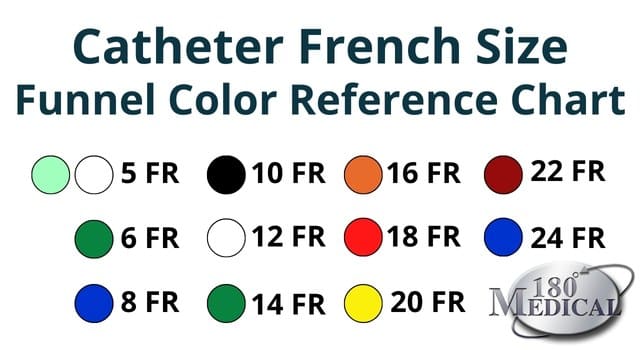
What French size catheter do women usually use?
The catheter French size each person uses may differ, because everyone has a different anatomy and needs. However, many adult women use French sizes between 10 and 16 Fr on average.
The best person to determine what French size you should use is your prescribing healthcare professional. Getting the right French size can make a difference in the comfort and efficiency of your cathing routine.
For example, if you use a smaller female catheter French size than what fits your body best, you may notice urine seeping around the sides of the catheter. This can get messy.
On the other hand, if you use a larger catheter French size than necessary, catheter insertion may feel difficult. You might even feel some catheter pain or discomfort.
How do I learn female self-catheter use?
180 Medical provides a wealth of resources, including step-by-step video guides, How to Catheterize booklets that can be included with your orders, and many educational articles. Start with our helpful online instructions for how to self-catheterize for women at HowToCath.com.
If you’re having difficulty with learning self-catheterization or having problems with insertion, pain, or discomfort, talk to your prescribing healthcare professional.
Sometimes, self-catheterization aids like leg mirrors or a mirror set in front of you on a countertop are helpful, especially at first, as you learn your anatomy and can better see where to insert the catheter into the female urethra.
Which type of female catheter is right for me?
There’s no single brand, size, or type of female catheter that will work for everyone. Some people also have different preferences or lifestyles that make some features more favorable than others. Plus, your healthcare provider’s prescription and your insurance coverage play a big role in which product types you may be eligible to receive.
180 Medical has specialized in supplying intermittent catheters since 2002, and we carry all the major catheter brands and types. Depending on your prescription and insurance, you can try out samples and choose what feels and works best for you.
When you’re ready to order, 180 Medical is here for you! We’ll be glad to help you find the female catheter that’s easiest and most comfortable for you.
Contact us or call us at 1-877-688-2729. We’d love the opportunity to discuss your options for female catheters with you!
Disclaimer: Content provided on 180medical.com is for general educational purposes only and should not be used as a substitute for medical advice, diagnosis, or treatment from a qualified healthcare professional. Product and sample availability may vary based on your insurance plan, prescription, and other requirements. Please consult your healthcare provider with any questions about your condition, treatment, or medical supply needs.
